XL American Bully vs Other Large Breeds: What First-Time Owners Need to Know
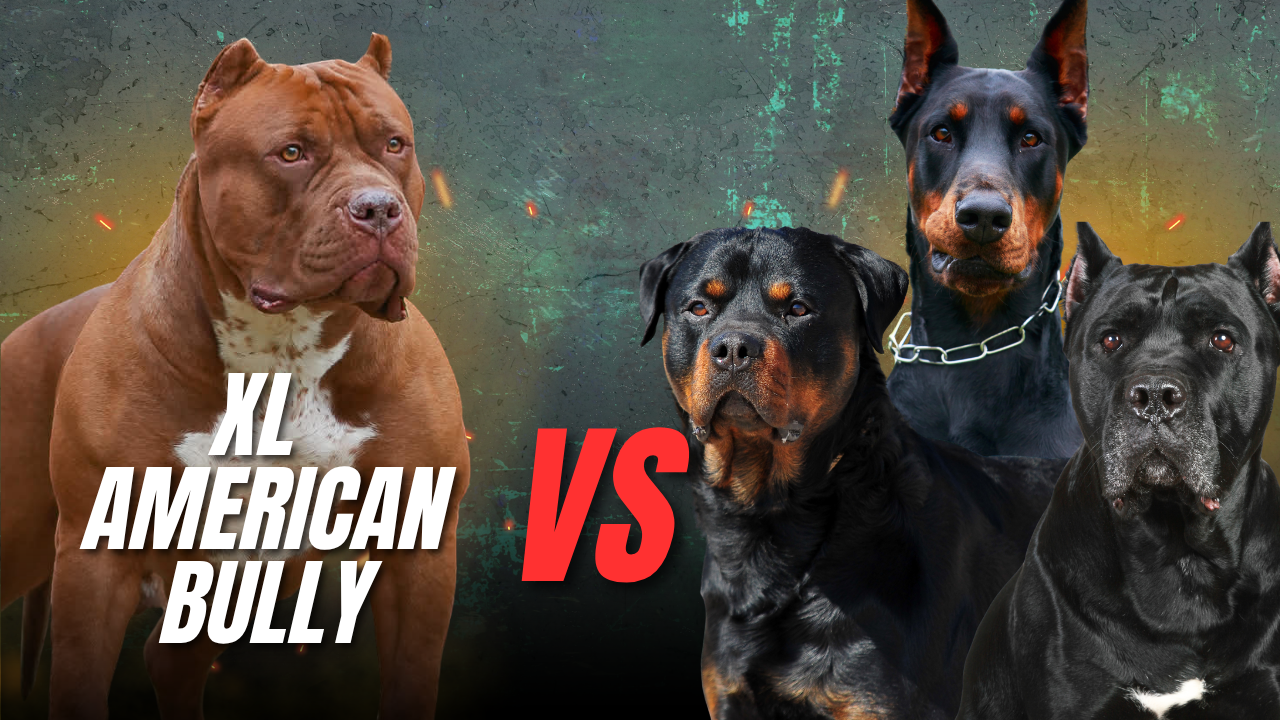
If you're shopping for your first large breed, the XL American Bully probably caught your eye somewhere along the way. Big head, heavy frame, intimidating to look at, calm in real life. But you've also seen the headlines, the bans, the Reddit threads. So how does the XL Bully actually stack up against the other big breeds people put on their shortlist?
This guide compares the XL American Bully to six breeds that first-time large-breed owners commonly weigh against it: the American Pit Bull Terrier, Cane Corso, Rottweiler, American Bulldog, English Mastiff, and Doberman. We'll cover size, temperament, prey drive, exercise needs, and what kind of owner each breed actually fits.
Quick note on terminology before we get going. The "XL American Bully" is its own breed, recognized by the United Kennel Club in 2013. It was created in the 1990s by crossing the American Pit Bull Terrier with bulldog-type breeds, with one specific goal: to build a dog that looks powerful but lives like a couch dog. That breeding history is the single most important factor in understanding why the XL Bully behaves the way it does.
| Breed | Male weight | Temperament | Prey drive | Exercise needs | First-time owner friendly? |
|---|---|---|---|---|---|
| XL American Bully | 80–150+ lbs | Calm and people-focused | Low | Moderate | Yes, with basic training |
| American Pit Bull Terrier | 35–65 lbs | Energetic and driven | Moderate to high | High | Better with experience |
| Cane Corso | 99–110 lbs | Protective, reserved with strangers | Moderate | High (mental + physical) | No |
| Rottweiler | 95–135 lbs | Confident and watchful | Moderate | High | Better with experience |
| American Bulldog | 75–125 lbs | Athletic and family-bonded | Moderate to high | High | Better with experience |
| English Mastiff | 160–230 lbs | Quiet and gentle | Low | Low to moderate | Yes, but plan for the size |
| Doberman | 75–100 lbs | Smart, alert, high-drive | Moderate to high | Very high | No |
The XL Bully and the English Mastiff are the only two breeds on the list bred specifically to be calm. Every other dog here was bred to do a job, and that working drive shows up in daily life, whether you wanted it to or not.
The XL American Bully in plain terms
The XL Bully is the largest of the four American Bully size categories (Pocket, Standard, Classic, XL). Males commonly hit 100 pounds and can run well past 130 with the heavier bloodlines. They're shorter and thicker than a Pitbull, with a wider chest, blockier head, and heavier bones.
Temperament is what separates them from everything else on this list. A well-bred XL Bully is friendly with strangers, patient with kids, and content to spend most of the day on the floor next to you. They need a good walk and some play, but they don't have the relentless drive of a working breed. You're not going to come home to a destroyed couch because you skipped one walk.
Prey drive is genuinely low in the breed. Bullies were selected against the gameness traits that pit bull terriers were originally bred for. That's the entire reason the breed exists. It doesn't mean every individual is identical, and a poorly bred Bully from a backyard breeder can be unstable. But the breed standard explicitly calls for a stable, confident, non-aggressive temperament.
One honest thing about the XL Bully you should know going in: the breed has a quality control problem. Its explosive popularity attracted many breeders chasing size and money rather than temperament and structure. Most of the "XL Bully" attacks that made news in the UK involved dogs from those operations, often crossed back with working-line APBTs and labelled "XL Bully" because the label sells. A dog from a reputable breeder who health-tests parents and breeds for stable temperament is a different animal from a Craigslist puppy with no papers. Buy accordingly.
XL American Bully vs American Pit Bull Terrier
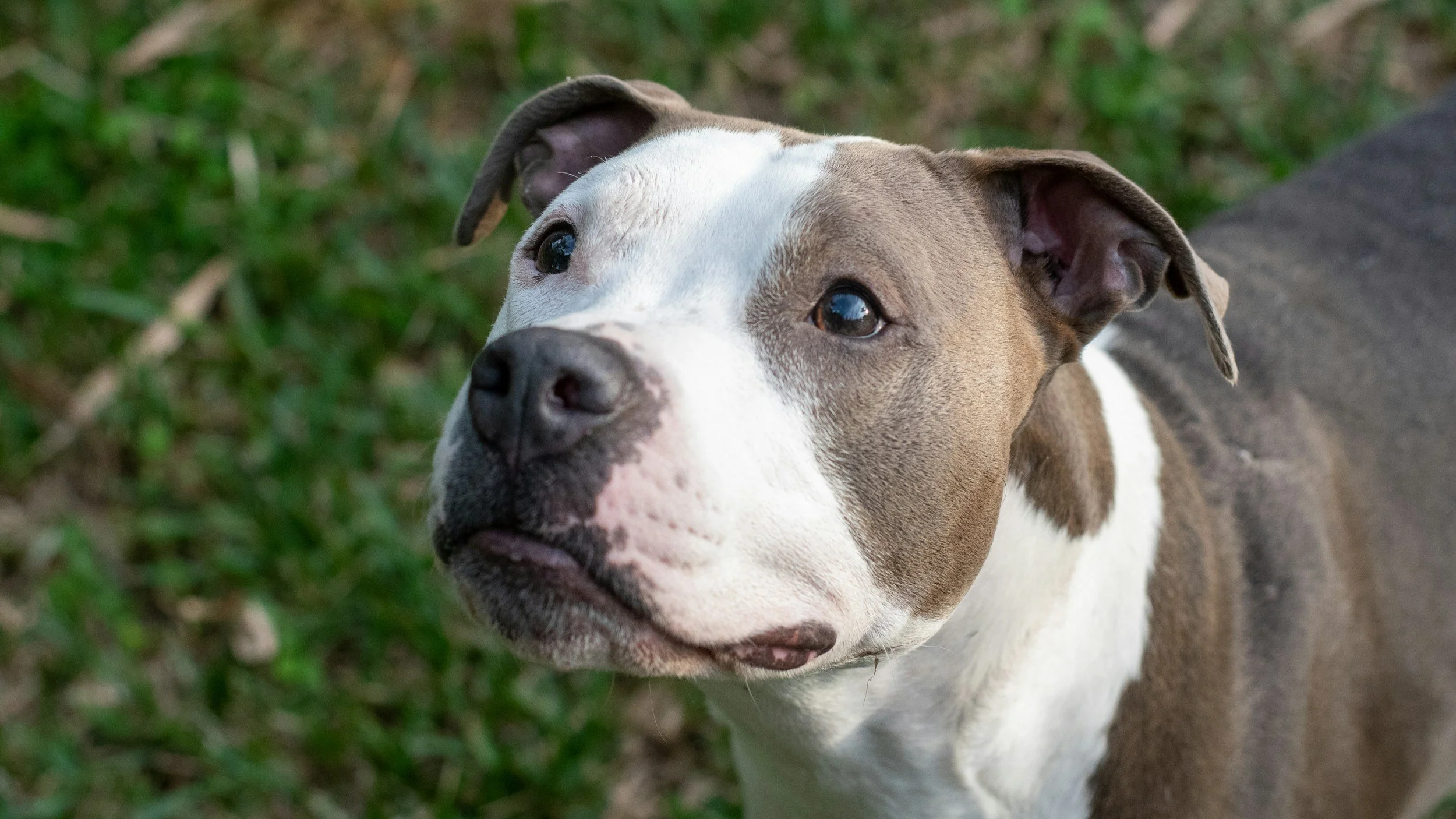
These two are constantly confused, and you can see why. Same ancestry, similar coats, similar muscles. But the differences matter a lot day to day.
The Pitbull is leaner and faster. A typical APBT weighs 35-65 pounds. They were bred for athleticism and gameness, and that working drive is still in there. Pitbulls are smart and energetic, and they need a serious daily outlet. Skip a few days of exercise, and you'll know about it.
The XL Bully is bulkier and considerably calmer. A 100-pound Bully and a 50-pound Pitbull are doing very different things in your living room.
For a first-time owner, the Bully is the more forgiving choice. The Pitbull isn't a bad dog, it's just a more demanding one. You're committing to high exercise, consistent training, and an owner who genuinely enjoys an active dog. If that's not you, you'll be miserable and so will the dog.
XL American Bully vs Cane Corso
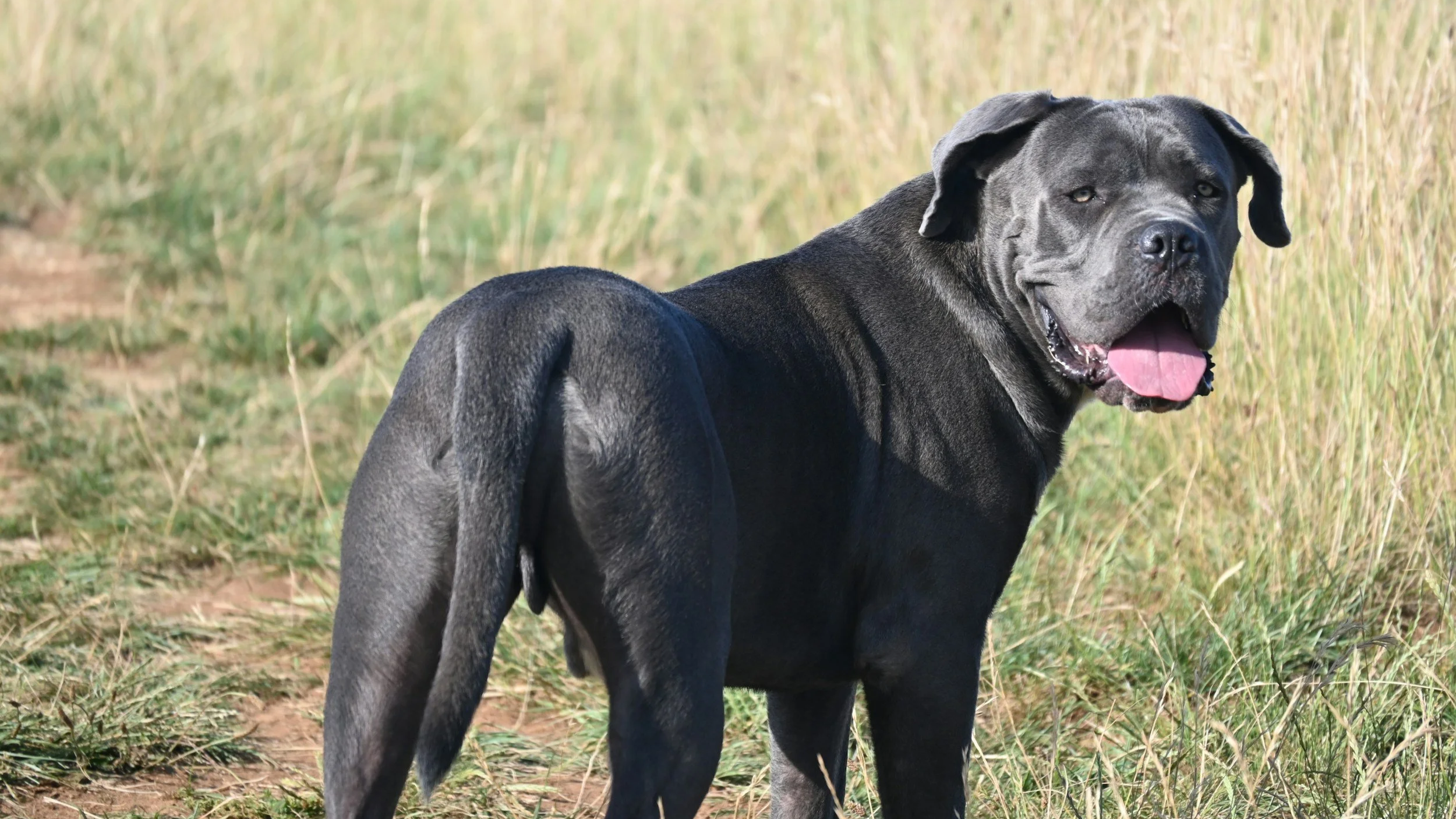
The Corso is an Italian guardian breed with a 2,000-year history of protecting property and livestock. They're intelligent, intensely loyal to family, and naturally suspicious of strangers. They were not bred to be friendly with everyone, and they aren't.
A Cane Corso typically weighs 99-110 pounds and stands taller than a Bully. They're more athletic and more independent, and they need both physical exercise and serious mental work. Without it, they get bored, and a bored Corso is a problem.
If you want a guardian dog and you have the experience to handle one, the Corso is a magnificent breed. If you want a big dog that's calm with your kids' friends, lets the mailman walk past without drama, and doesn't require an experienced handler, you want the Bully. This isn't close.
First-time owners should not get a Cane Corso. The breed is too much dog for someone learning the basics.
XL American Bully vs Rottweiler
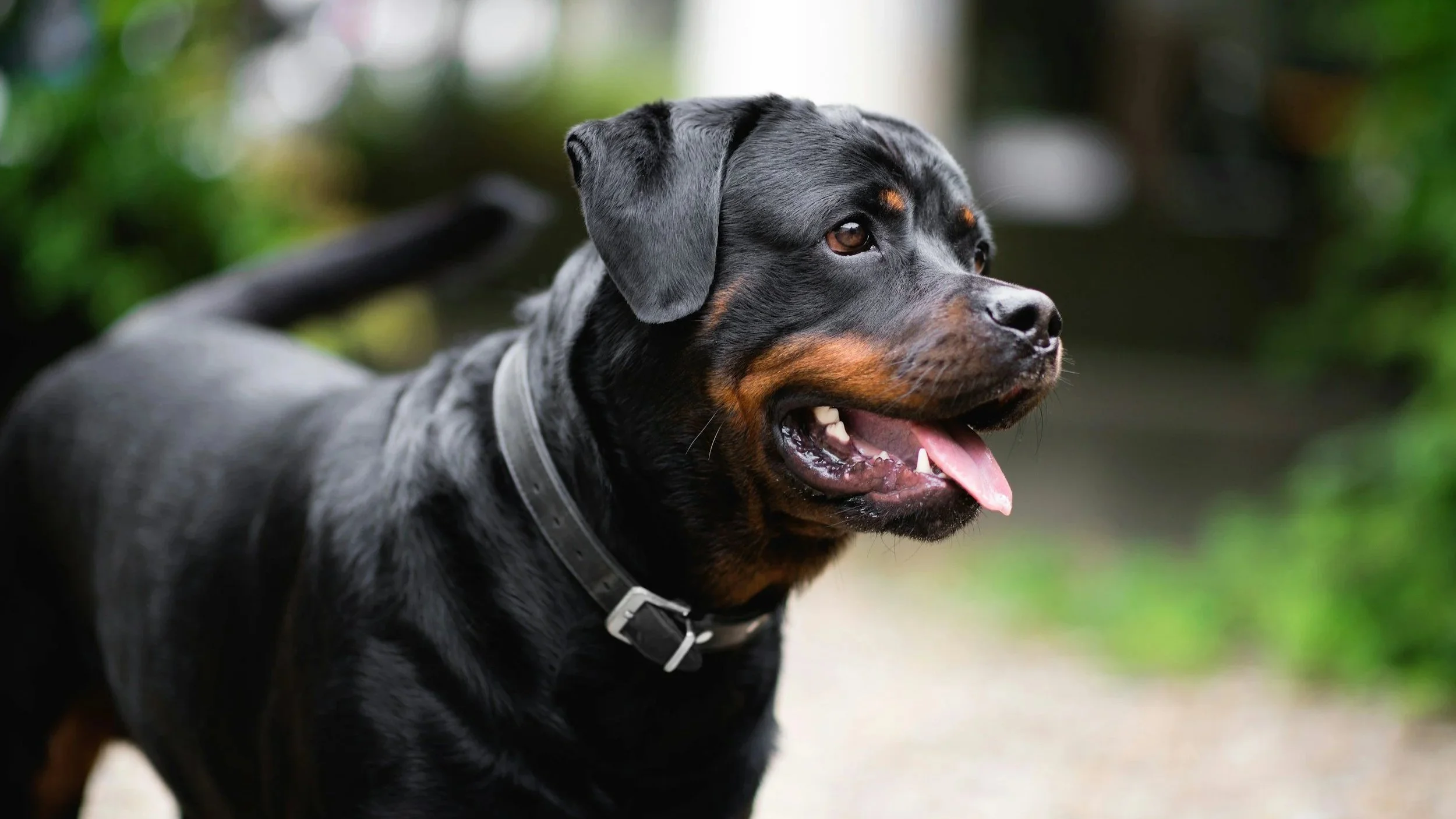
The Rottweiler comes from Roman herding-guardian stock and was historically a cattle drover and police dog. They're confident and bonded hard to family. Like the Corso, they're a working breed with the drive that comes with that.
Size-wise, they're closer to the Bully than most breeds on this list, with males running 95-135 pounds. Rotties are taller and more athletic, but the bulk is comparable.
Temperament is the real split. Rottweilers are aloof with strangers by default and need consistent socialization to stay balanced. They're trainable and brilliant, but they need a job. The Bully is happy if its job is following you from the kitchen to the couch and back.
A family that wants a real working dog and is prepared to provide structure and serious exercise will get a lot out of a Rottweiler. If what you want is a big calm dog who's a friend to the kids and easy at the dog park, the Bully fits better.
XL American Bully vs American Bulldog
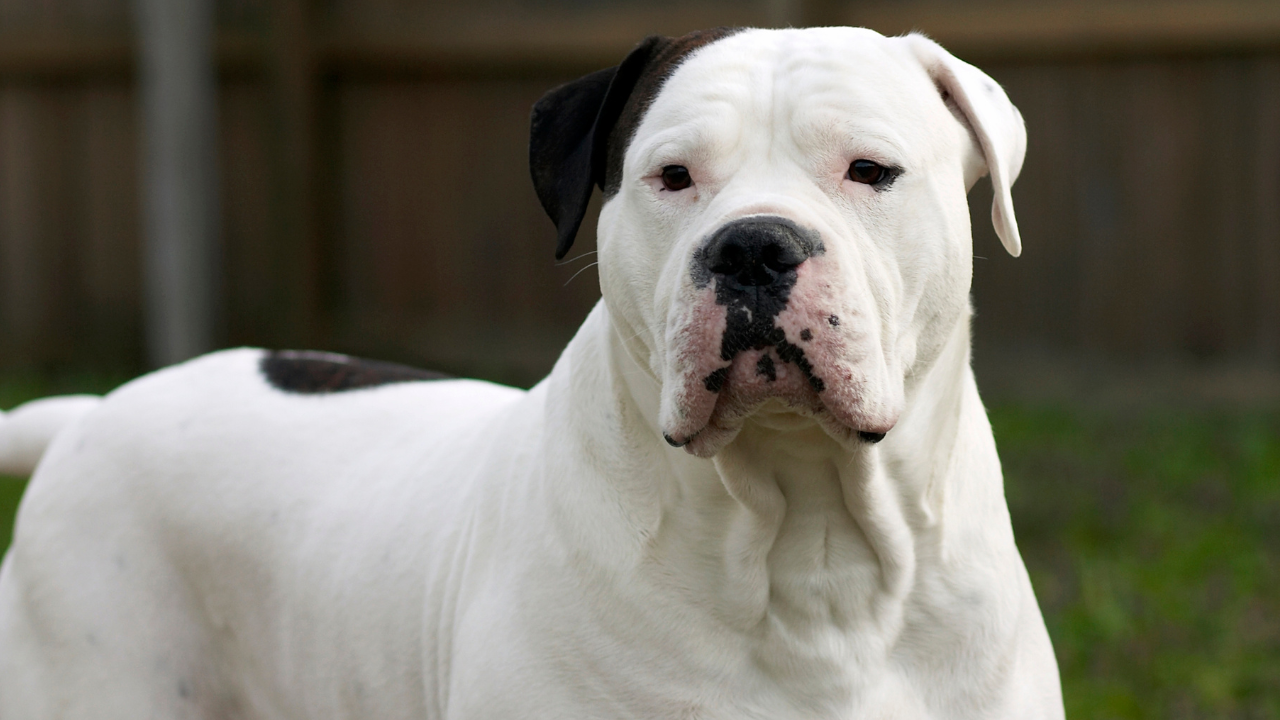
People mix these two up almost as often as they mix up Bullies and Pitbulls. The American Bulldog is taller and more athletic than a Bully. They were bred as farm catch-dogs and have the working drive to match. Standard Johnson-line American Bulldogs run 75-125 pounds and look more like a stretched-out, athletic version of a Bully.
The behavioral difference is significant. American Bulldogs are alert and protective, and they need genuine exercise. They're more independent than a Bully and tend to bond intensely with one person rather than the whole family. They can be great family dogs in the right home, but they're a more demanding dog than the Bully.
If you're drawn to that bulldog look but want a dog that lives quietly indoors, the XL Bully is the better fit. The American Bulldog is for someone who wants the working drive along with the bulldog frame.
XL American Bully vs English Mastiff
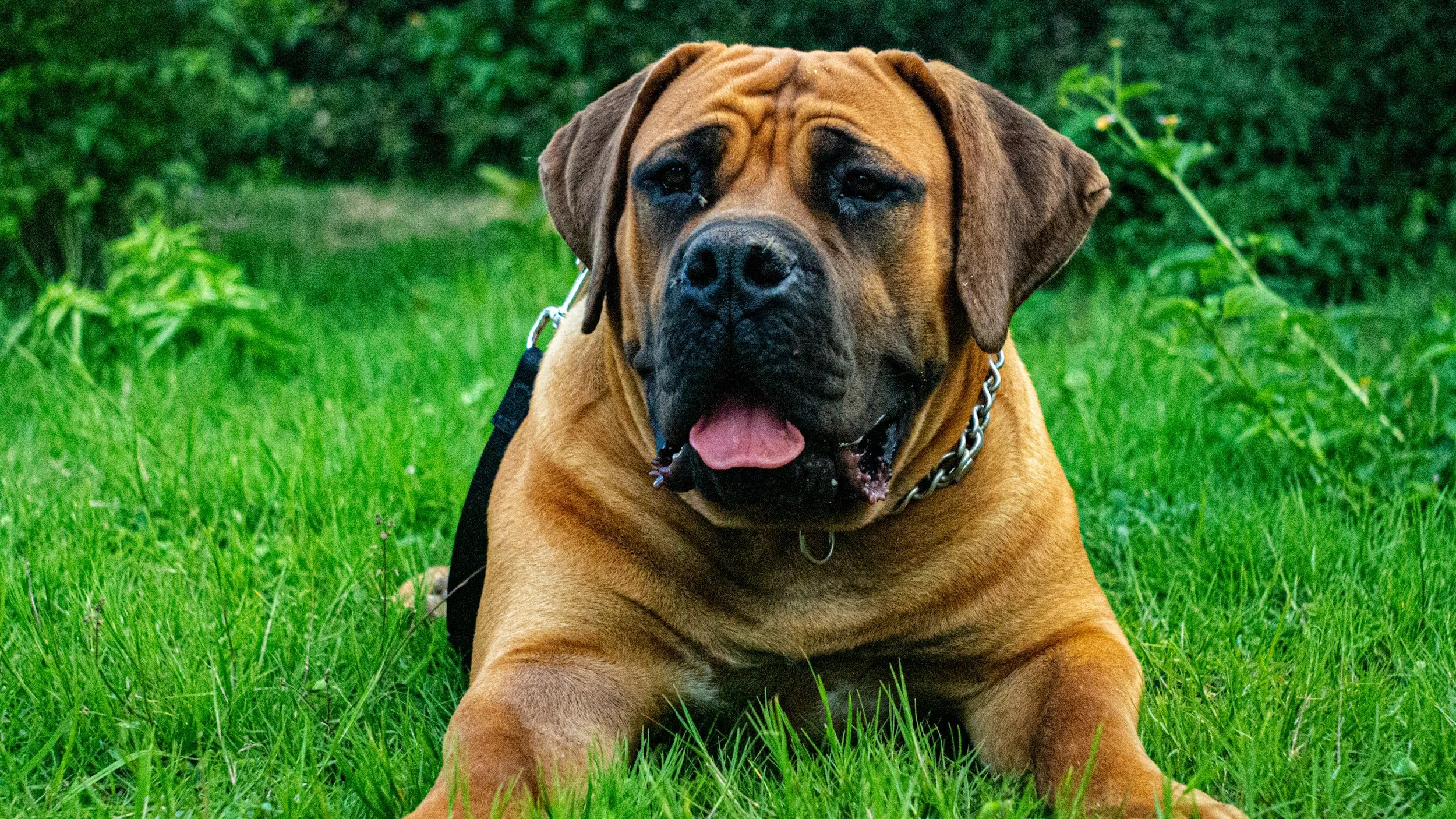
Now we're comparing two genuinely calm breeds. The English Mastiff is the largest dog on this list by some distance, with males commonly running 160-230 pounds. They're famously quiet and gentle, with a low-energy, low-drive temperament that makes them easy in the house.
The differences are practical. Mastiffs live shorter lives, typically 6-10 years, compared to 10-13 years for a healthy Bully. They drool. A lot. They're more independent and less interactive. A Mastiff is happy in the same room as you, while a Bully wants to be touching you. They're also harder on your floors, your car, and your back as they get older and develop joint issues.
Both breeds work for first-time owners, but for different reasons. Pick the Mastiff if you want a quiet, gentle giant and you're ready for the size and the drool. Pick the Bully if you want a more interactive companion that's easier to manage day-to-day.
XL American Bully vs Doberman

The Doberman is a working protection breed. Smart, fast, intensely bonded to their handler, with a real drive to do something. They're one of the most trainable breeds on the planet, and they need that training to channel their energy productively.
A Doberman typically weighs 75-100 pounds and has a completely different build from a Bully. They're lean and built to move. The exercise demands are substantial. We're talking serious daily activity, not a stroll around the block.
Temperament-wise, Dobermans are loyal to family and reserved with strangers. Well-bred ones aren't aggressive, but they're alert and protective by default. The Bully is the opposite end of the spectrum on that scale.
For a first-time owner, the Doberman is too much dog. They need an owner who can match their intelligence and energy. The Bully is forgiving in ways the Doberman isn't.
So which breed actually fits a first-time large-breed owner?
If you've read this far, the answer is probably becoming obvious. Among the seven breeds covered here, only the XL American Bully and the English Mastiff are realistic first-time large-breed dogs. Everything else is a working breed with the drive and handling requirements that come with that.
Between the two, the Bully is more interactive and longer-living. The Mastiff is the choice if size and quiet dignity matter more to you than playfulness.
A few honest things to know if you're leaning toward an XL Bully:
The breed has been added to the banned-breeds legislation in the UK and is subject to restrictions in some other regions. If you live somewhere with breed-specific legislation, check your local laws before you commit. In the US, the breed is legal everywhere, but some cities and insurance companies treat them as restricted.
Where you buy matters more for this breed than for almost any other. The temperament differences between a well-bred XL Bully and a backyard-bred one are huge. Look for breeders who health-test their parent dogs and breed to the ABKC standard rather than just chasing size. Ask about temperament in the bloodline. Ask to meet the parents. A good breeder will welcome those questions.
Plan for the size. A 110-pound dog in your house is a lifestyle change. The crate is bigger, the food bill is bigger, and the vet bill, when something goes wrong, is much bigger.
Train early. A calm temperament doesn't mean trained. A 12-week-old Bully puppy is adorable, and an 80-pound adolescent who never learned leash manners is a problem. Start basic obedience the day you bring the puppy home.
If you want help thinking through whether the XL Bully is the right breed for your specific situation, or you're trying to choose between two of the breeds covered here, get in touch. We're happy to talk you out of one of our dogs if it's not a good fit. The wrong dog in the wrong home is bad for everyone (including the dog).